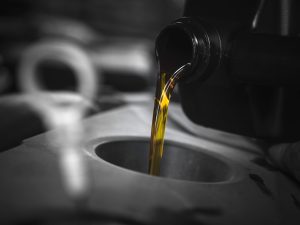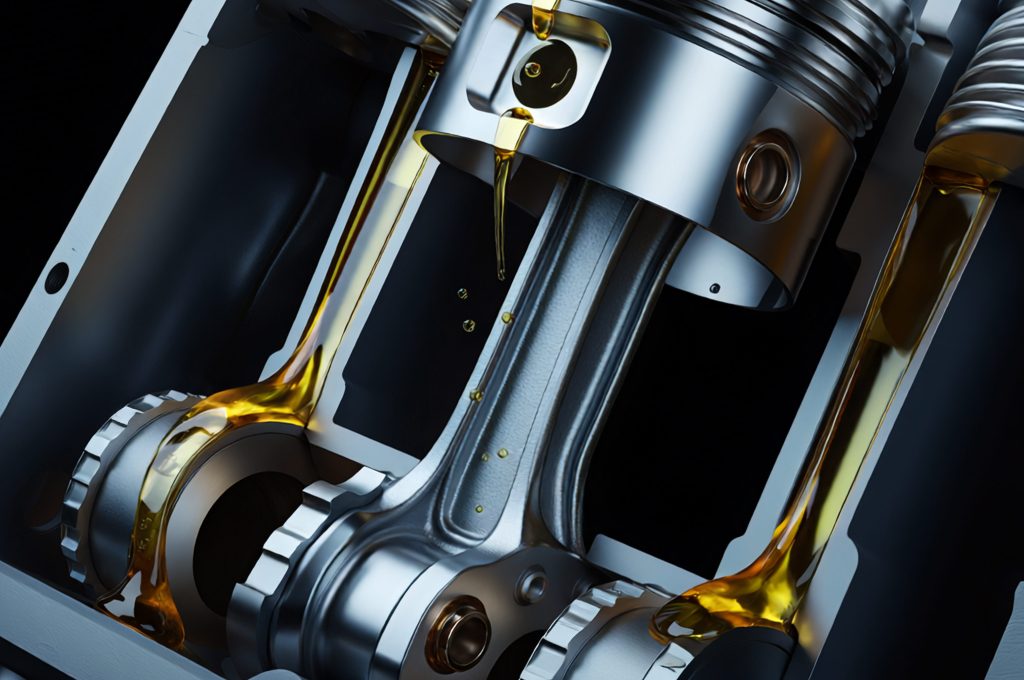
An engine works thanks to thousands of movements per second, with metal parts rubbing against each other. Without adequate lubrication, the friction between tAn engine operates based on thousands of movements per second, during which metal components come into contact with each other. Without proper lubrication, the friction between these parts would be immense—generating heat, wearing down the engine material, and leading to rapid failures. This is where engine oil comes in with its “frictionless effect.”
1. A Protective Film Between Components
Engine oil creates a thin, durable layer between metal surfaces. This film keeps the parts separated so they slide over each other without direct contact—almost as if friction doesn’t exist.
2. Less generation of heat and wear
By reducing friction, the temperature inside the engine decreases as well, which prevents overheating and extendins the lifespan of every moving part.
3. Greater engine efficiency
When the engine doesn’t have to overcome friction, it runs more smoothly and evenly. The result is better responsiveness, more stable performance, and potentially reduced fuel consumption.
4. Quieter and smoother operation
The frictionless effect allows the engine to run more smoothly and quietly, without unnecessary vibrations or sounds signalling strain.